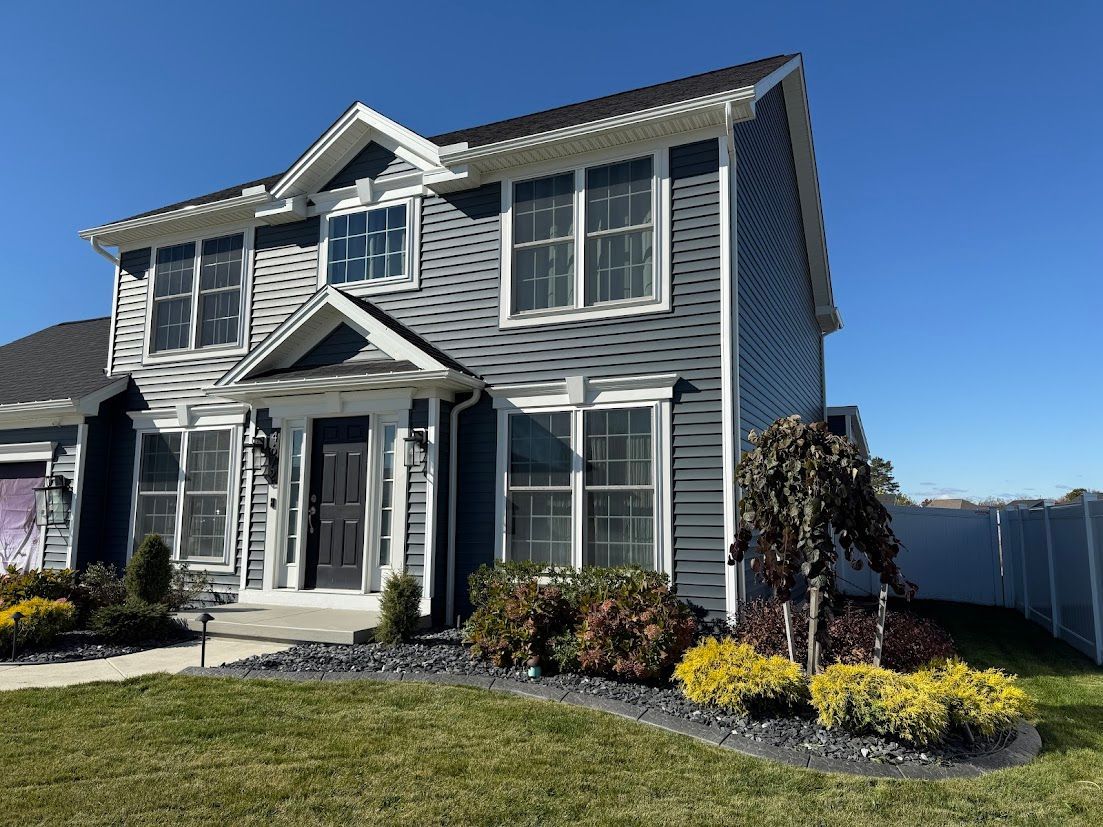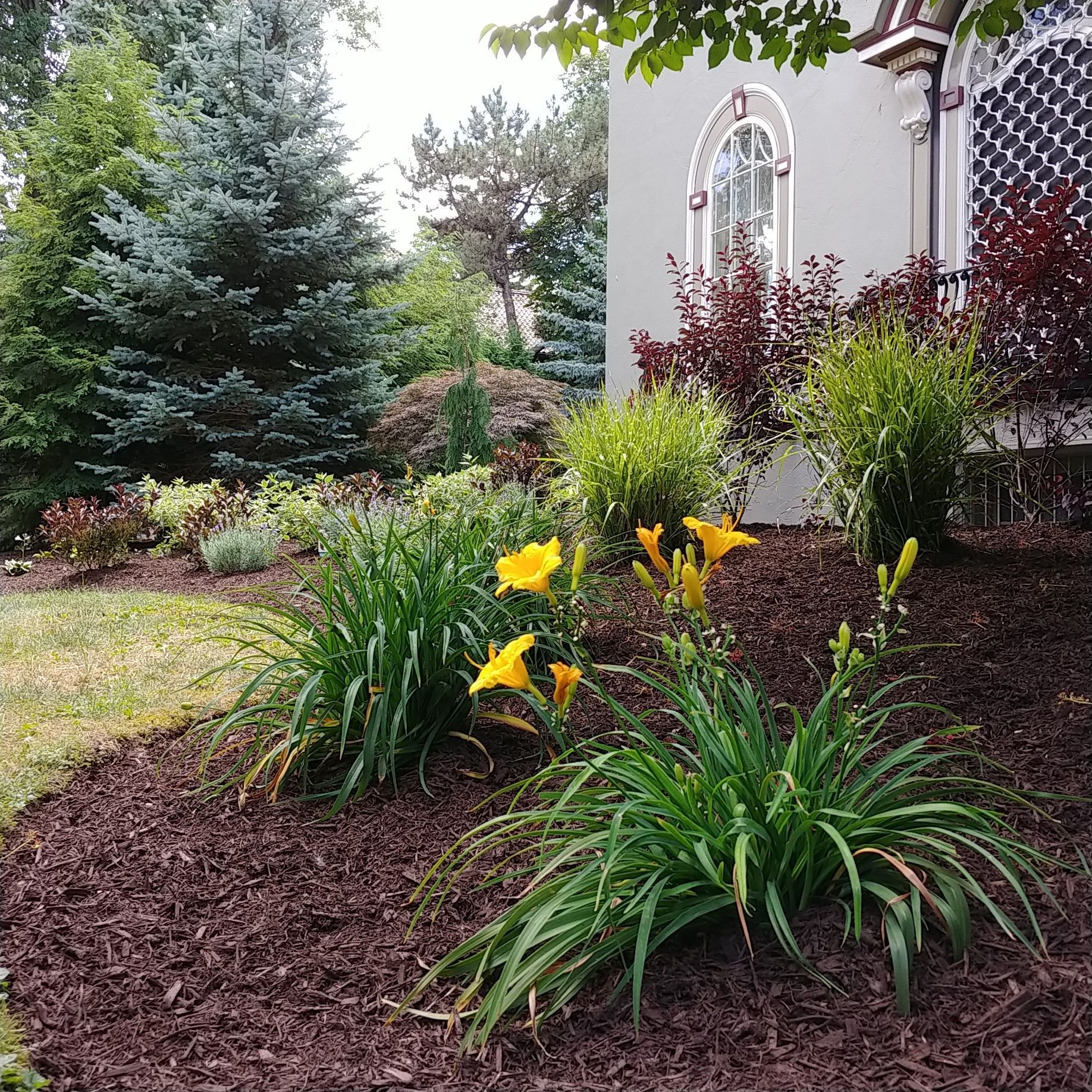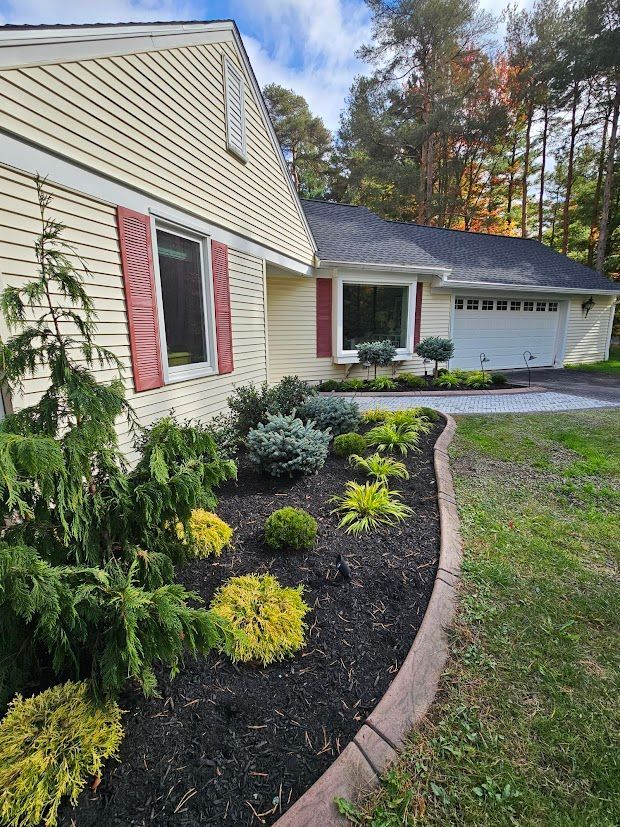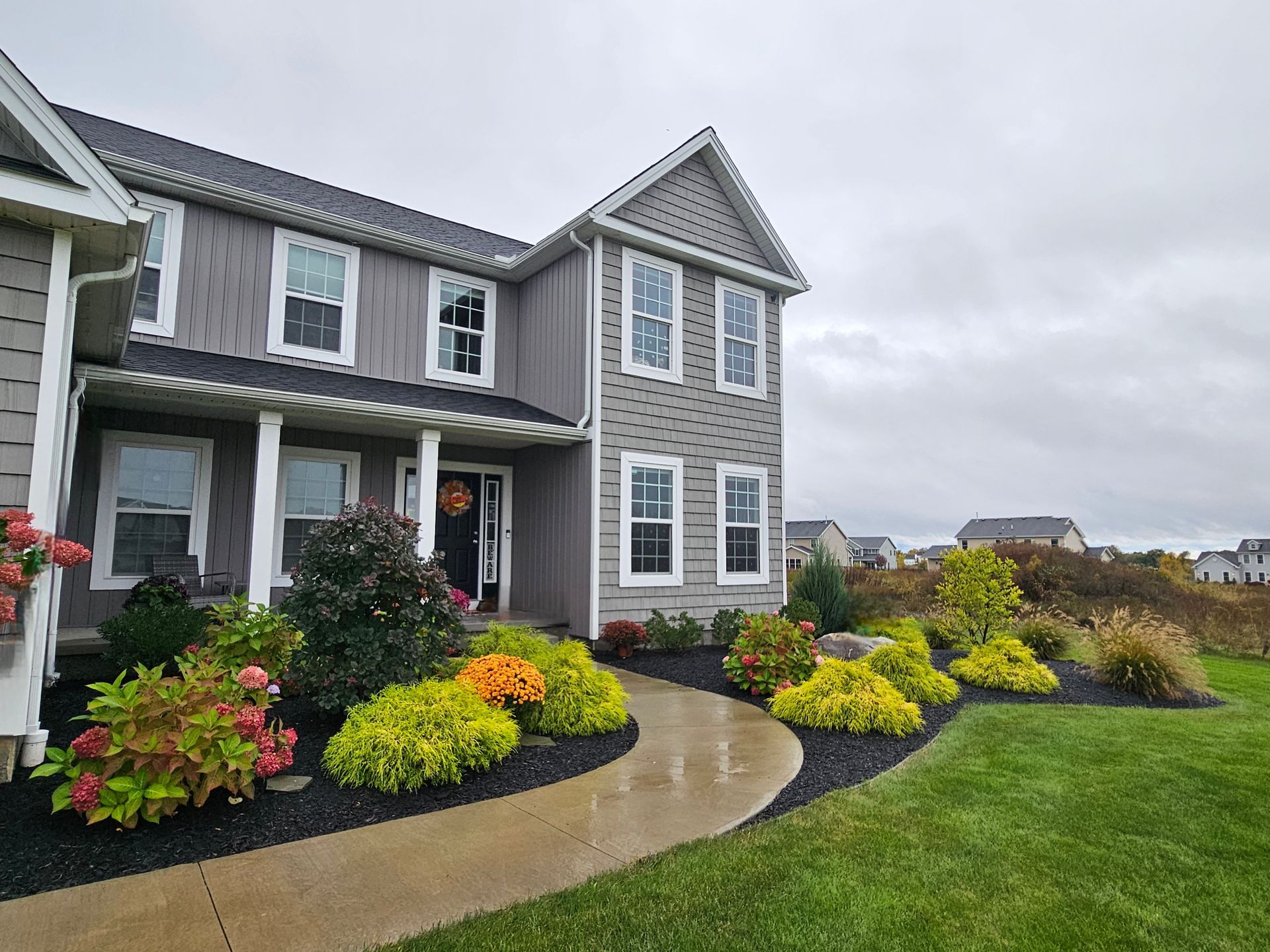
Add Trees That Thrive in Buffalo's Climate
Your Buffalo property has full sun beating down on the house all summer, no privacy from neighbors, and a front yard that looks bare because there's no vertical interest. Tripi's Landscaping installs trees selected for local soil, space, and climate conditions, using proper planting techniques that support healthy root development and long-term growth.
This service includes tree selection, proper placement, planting, staking, and initial care guidance. Trees are positioned to account for snow load, wind exposure, and your property layout, whether you're adding shade, creating privacy screening, or filling in a new landscape.
If you want to add trees to your Buffalo property that will establish successfully and add long-term value, contact us to discuss species options and planting locations.
Why planting technique matters for tree survival
The process starts with a site visit to evaluate sun exposure, soil drainage, overhead wires, and clearance from structures. In Buffalo, tree placement also considers winter wind patterns, snow load on branches, and root zones that won't interfere with sidewalks or foundations as the tree matures.
Once species and location are confirmed, the tree is planted at the correct depth with the root flare exposed, backfilled with native soil, and mulched to retain moisture. Staking is installed if needed to stabilize the trunk during the first growing season. After planting, you'll notice improved shade coverage, privacy screening, or visual structure depending on the tree's purpose and placement.
Initial care instructions cover watering frequency, mulch management, and when to remove stakes. The service does not include fertilization or pest treatment, though guidance on monitoring tree health during establishment is provided as part of the installation.
Homeowners often wonder which trees work best here
Common questions involve species selection for Buffalo's winters, how close trees can be planted to houses, and what care is needed during the first year.
If your Buffalo property needs shade, privacy, or added curb appeal, Tripi's Landscaping can help you select and install trees that will establish successfully and grow well in Western New York. Reach out to discuss species options and planting locations.